Modern cancer care depends heavily on the quality of diagnostic information available to physicians. Before treatment planning begins, healthcare professionals must understand what disease is present, how it is developing, and which characteristics may influence clinical decisions. This makes diagnostic medicine a critical part of the cancer care pathway. The work associated with Dr. Wael Sakr Detroit fits into a broader professional commitment to advancing medical understanding through pathology, research, education, and evidence-based diagnostic practices.
Cancer diagnosis is rarely based on one observation alone. Physicians may consider symptoms, physical findings, laboratory results, imaging, tissue samples, and molecular information. Each source contributes a different perspective. Combining these findings can help create a more complete clinical picture and may be particularly valuable when a disease presents with complicated or unusual features. Careful integration of evidence is therefore a central principle of responsible diagnostic practice.
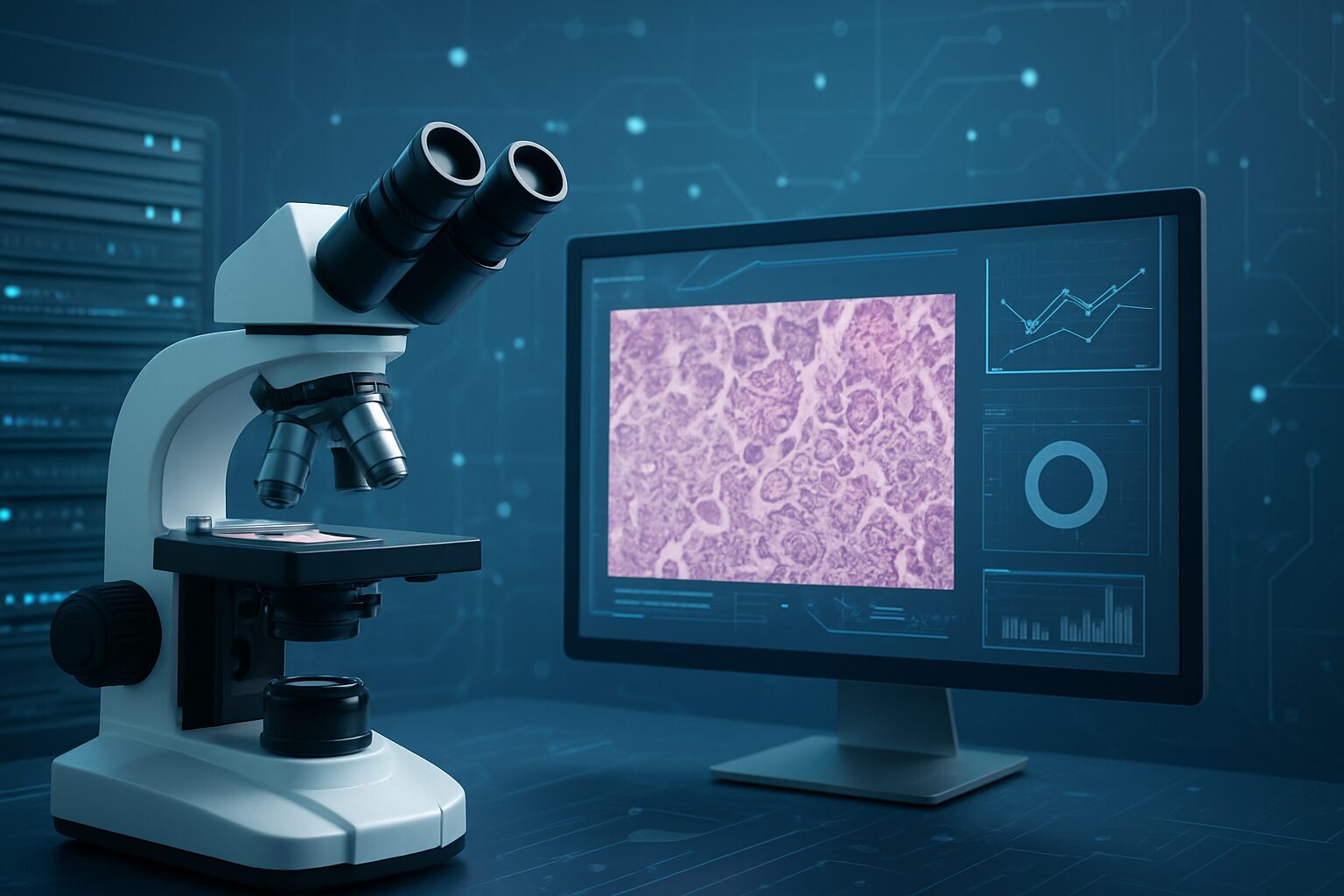
Pathology remains one of the key disciplines supporting cancer diagnosis. Through detailed examination of cells and tissues, specialists can identify abnormal characteristics and help classify tumors. Advances in laboratory science have made it possible to investigate disease at increasingly detailed biological levels. Molecular testing can provide additional information about cellular changes, while specialized laboratory techniques can support the evaluation of difficult cases.
The development of precision medicine has further increased the importance of diagnostic detail. Rather than viewing every cancer as identical, modern medicine increasingly recognizes that tumors can have distinct biological characteristics. Diagnostic testing may help physicians identify clinically relevant differences and determine which information should be considered when developing an individualized care plan. This approach demonstrates how diagnostics can influence medical decision-making beyond simply establishing a disease label.
Technology is also transforming the diagnostic environment. Digital systems can help organize pathology information, improve access to records, and facilitate collaboration between specialists. Computational methods can assist with the analysis of complex datasets, while modern laboratory platforms can support increasingly sophisticated testing. However, technology works best when combined with experienced medical interpretation. Diagnostic tools generate information, but healthcare professionals must determine how that information fits the patient’s overall clinical circumstances.
Research provides another foundation for meaningful progress. Cancer biology is complex, and continued investigation is necessary to understand how diseases develop and respond to different interventions. Research can also reveal opportunities for improving diagnostic accuracy and identifying new markers that may have clinical relevance. Medical education ensures that these developments are shared with professionals and incorporated responsibly into everyday practice.
Consistency and quality control are essential throughout the diagnostic process. Accurate results depend on appropriate specimen collection, careful processing, validated laboratory procedures, and thorough interpretation. Clear communication between diagnostic specialists and treating physicians is equally important. A technically accurate result is most useful when its significance is communicated clearly and integrated into the broader care plan. Dr. Wael Sakr Detroit underscores the continuing importance of advancing diagnostic understanding in contemporary oncology.
As medical science progresses, cancer diagnostics is expected to become increasingly connected with molecular science, digital medicine, and personalized healthcare. These developments create opportunities for more detailed disease characterization and better-informed clinical decisions. They also reinforce the need for professionals to remain committed to learning and scientific evaluation.
The continuing advancement of cancer diagnostics requires a balance between innovation and responsibility. Dr. Wael Sakr Detroit represents the kind of professional focus associated with improving diagnostic knowledge while recognizing the importance of careful medical interpretation. The ultimate goal is to provide clinicians with dependable information that can support thoughtful care. Dr. Wael Sakr Detroit also highlights how research, education, technology, and multidisciplinary collaboration can work together to strengthen modern diagnostic medicine. As the field continues to evolve, these principles will remain central to building a more informed and patient-focused approach to cancer care.
Key Points
- Modern cancer care relies on high-quality diagnostic information to inform treatment planning.
- Pathology plays a critical role by examining cells and tissues to identify tumors’ characteristics.
- The development of precision medicine emphasizes the need for detailed diagnostic testing to guide personalized care plans.
- Advancements in technology, such as digital systems and computational methods, enhance the diagnostic process but require medical interpretation.
- Consistent quality control and clear communication between diagnostic specialists and treating physicians are essential for accurate diagnostic outcomes.
- Dr. Wael Sakr Detroit advocates for the integration of research, education, and technology to advance diagnostic medicine in oncology.