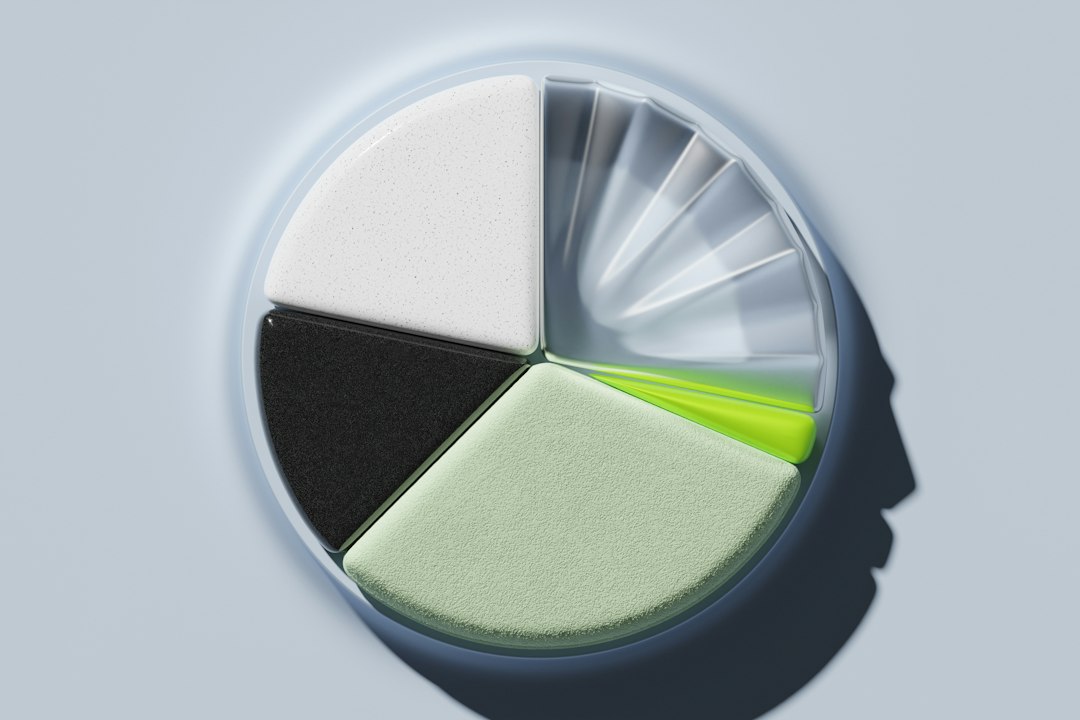
Modern pathology increasingly depends on the ability to bring different forms of scientific knowledge together. Laboratory observations, technological developments, biological research, and clinical perspectives can collectively create a broader understanding of disease. Dr. Wael Sakr reflects the value of this integrated approach, where pathology research is viewed as a connected scientific process rather than a collection of separate investigations. This perspective supports continued discovery while encouraging thoughtful development across the field.
Contents
- Why Is Integrated Thinking Valuable in Pathology?
- How Do Different Research Areas Complement Each Other?
- What Is the Importance of Cross-Disciplinary Collaboration?
- How Can Better Information Management Support Research?
- Where Does Innovation Fit Into an Integrated Pathology Model?
- How Does Dr. Wael Sakr Detroit Relate to This Broader Development?
- What Could Integrated Pathology Research Achieve in the Future?
- Conclusion
Why Is Integrated Thinking Valuable in Pathology?
Pathology involves information that can originate from many scientific sources. Examining these sources together can provide researchers with a more complete perspective on biological processes. Integrated thinking encourages professionals to consider how different findings complement one another and where additional investigation may be useful.
This approach can also make research more adaptable. As new scientific discoveries emerge, researchers can incorporate relevant information into existing frameworks and continue developing their understanding without limiting investigations to a single methodology.
How Do Different Research Areas Complement Each Other?
Molecular science can reveal biological characteristics, imaging can provide detailed visual information, and laboratory analysis can contribute additional evidence about disease processes. When these areas are considered together, researchers gain opportunities to examine scientific questions from several directions.
The resulting perspective can be particularly useful for complex research topics. Rather than depending on one source of information, scientists can evaluate multiple forms of evidence and develop more comprehensive research models.
What Is the Importance of Cross-Disciplinary Collaboration?
Collaboration brings specialized knowledge together. Pathology researchers can work alongside professionals with expertise in laboratory science, medical research, technology, and data analysis. Each perspective can contribute something different to the research process.
Cross-disciplinary collaboration also encourages the exchange of ideas. A concept developed in one scientific area may create new opportunities in another, helping research progress through shared expertise and constructive discussion.
How Can Better Information Management Support Research?
The increasing volume of scientific information makes effective organization increasingly valuable. Modern information-management systems can help researchers arrange laboratory findings, digital images, analytical results, and other research materials in a structured manner.
Organized information can make comparison and review more efficient. It can also support collaborative research by allowing relevant findings to be considered within a consistent framework. These improvements can strengthen the overall research process.
Where Does Innovation Fit Into an Integrated Pathology Model?
Innovation provides new tools and methods for connecting scientific information. Digital pathology, molecular technologies, advanced imaging, and computational analysis can each contribute to a broader research framework.
Rather than viewing innovation as a replacement for established methods, an integrated model treats new technology as an additional resource. This balanced approach allows researchers to explore emerging possibilities while preserving valuable scientific principles.
How Does Dr. Wael Sakr Detroit Relate to This Broader Development?
The movement toward connected research provides useful context for Dr. Wael Sakr Detroit and the evolving role of pathology within modern medical science. An integrated research perspective recognizes the importance of combining scientific expertise, technological resources, and collaborative investigation. Such an environment can support knowledge development and encourage new approaches to understanding complex biological questions.
What Could Integrated Pathology Research Achieve in the Future?
Greater integration could create stronger connections between molecular research, digital analysis, laboratory science, and computational methods. Researchers may gain more opportunities to examine complex information collectively and identify relationships that encourage further scientific investigation.
The continued development of collaborative research environments can also support innovation. As scientific disciplines become increasingly interconnected, pathology can benefit from a broader exchange of knowledge and expertise.
Conclusion
Integrated thinking is becoming an important feature of advancing pathology research. By connecting diverse scientific disciplines, organizing complex information, and encouraging collaboration, researchers can develop broader perspectives on disease and laboratory science. Dr. Wael Sakr reflects the significance of this connected approach, demonstrating the wider value of research within contemporary pathology. As integration continues to shape the field, it can open new pathways for discovery, scientific understanding, and positive healthcare development.
Key Points
- Modern pathology integrates various forms of scientific knowledge, including laboratory observations, technological advancements, and clinical perspectives to enhance understanding of diseases.
- Dr. Wael Sakr advocates for a connected scientific process in pathology research, emphasizing collaboration and integration rather than treating investigations as isolated efforts.
- Cross-disciplinary collaboration in pathology allows for the combination of specialized knowledge from different fields, enriching the research process and fostering innovative ideas.
- Effective information management systems are crucial for organizing and structuring the increasing volume of scientific data, enhancing research efficiency and collaboration.
- Innovation in pathology is supported through digital technologies and computational analysis, complementing established methods to enrich research frameworks.
- The future of integrated pathology research may uncover stronger connections between various scientific disciplines, further enhancing collaborative efforts and scientific inquiry.